 RH Painting

We move the furniture, sand the walls before the first coat, and run ventilation in every room when we’re done. Most of our work happens in homes people are living in.
Tell us about your rooms and we’ll get back to you shortly.
Most interior work happens in homes people are living in, so how we work matters as much as how it looks when we’re finished.
We move the furniture ourselves and cover what stays. Floors get covered, hardware comes off or gets masked, and we work room by room rather than taking the whole house at once — so you keep somewhere normal to be while we’re there.
Smell is the thing people ask about most. California has some of the tightest paint regulations in the country, so most of what goes on your walls is already low in VOCs. On top of that we run ventilation fans in each finished room for an hour or two before you use it again. If you’d rather we used a specific low-odour product — a nursery, someone in the house with asthma — tell us at the assessment and we’ll price it that way.
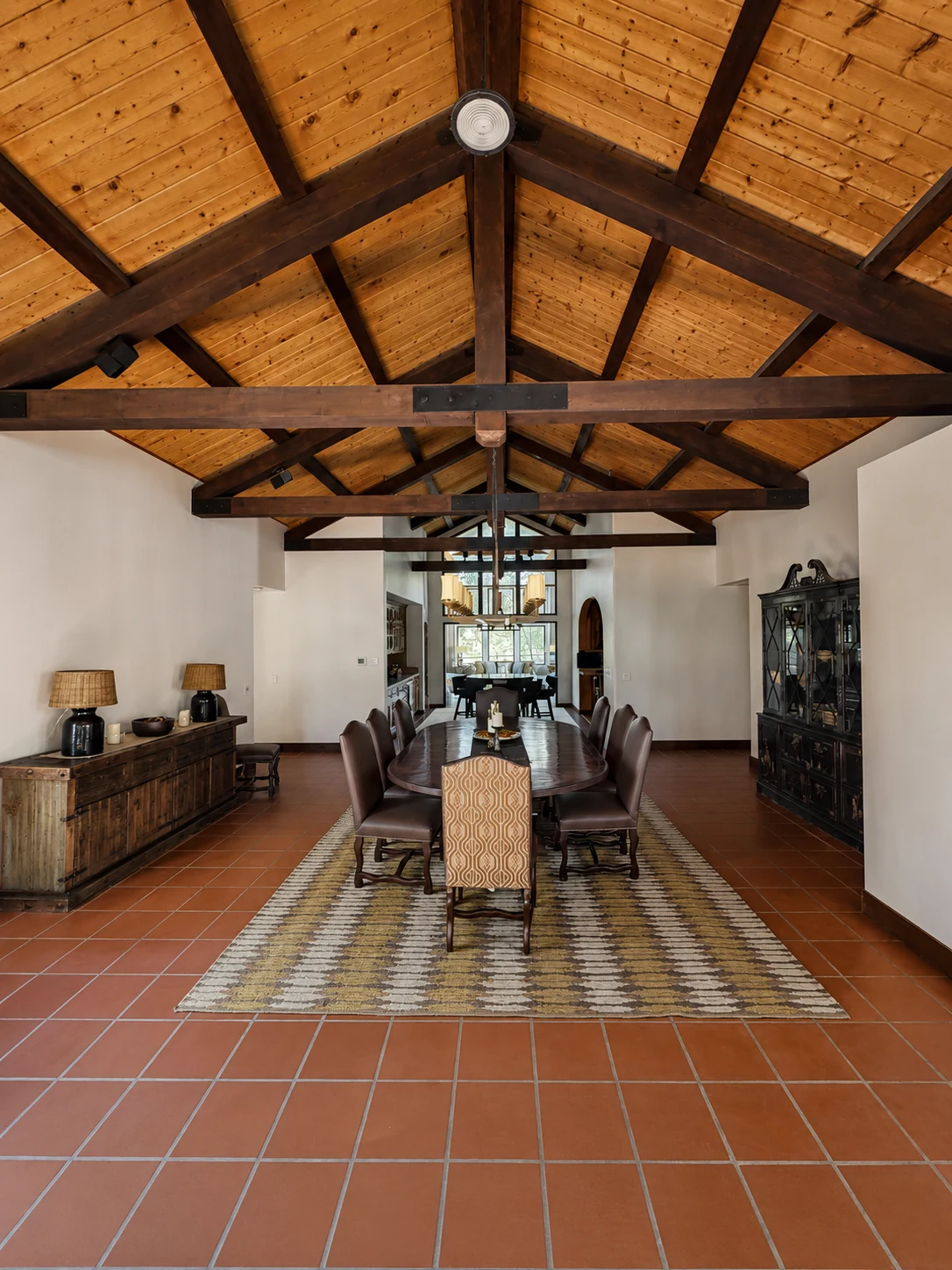
Most of the work is what happens before the first coat.
We walk the rooms with you and look at the condition of the walls, the trim and the ceilings. We talk through colours and sheen, which rooms you want done, and what order makes sense so the house stays livable. You get a detailed estimate based on what’s actually there.
Before anything moves, we photograph the room — where the furniture sits, what’s on the walls, how it’s arranged. It’s the simplest way to make sure everything goes back exactly where you had it. Then we move the furniture ourselves, into the middle of the room or out of it depending on the job, and cover what stays. Floors get covered. Hardware, switch plates and fixtures come off or get masked.
Nail holes, dings and small cracks get filled. Where seams have opened up and caulking is called for, we caulk them. Anything beyond minor patching — structural cracks, water damage, texture that needs rebuilding — we’ll point out and tell you what it needs.
We sand the walls before the first coat. It’s the step most often skipped, and it’s the difference between a finish that looks flat and even and one where every previous roller mark still shows through.
Wall lines, ceilings and window trim are cut by hand. Where tape gives a better line than a brush, we tape — and we use different tape depending on the surface, because the wrong tape on fresh paint or delicate trim pulls more than it protects.
We work with both Sherwin-Williams and Benjamin Moore and choose the product with you, based on the room and the finish you’re after. Two coats is standard; a heavy colour change or bare drywall can need more, and we’ll tell you that at the assessment rather than at the end.
Ventilation fans run in each finished room for an hour or two. Hardware goes back on, furniture goes back where it belongs, and we walk the rooms with you. Anything you want addressed gets addressed before we call it finished.
Every photo is a real RH Painting project.
We work throughout Monterey County — from the coast at Carmel and Pebble Beach inland through Carmel Valley and Salinas.
Most of our clients do. We work room by room rather than taking the whole house at once, so there’s somewhere normal to be while we’re there. We’ll agree on the order at the assessment — people usually want bedrooms done first so they’re back in use quickly.
We photograph the room first, so everything goes back exactly where you had it. Then we move it. Depending on the room it goes to the middle or out entirely, and whatever stays gets covered. Floors get covered too. We put it back where it belongs at the end. If there’s anything fragile or valuable you’d rather handle yourself, tell us at the assessment and we’ll work around it.
Less than people expect. California has some of the tightest paint regulations in the country, so most of what goes on your walls is already low in VOCs. We also run ventilation fans in each finished room for an hour or two before you use it again. If someone in the house is sensitive — a nursery, or anyone with asthma — tell us and we’ll use a specific low-odour product and price it that way.
We patch. Nail holes, dings, small cracks and open seams that need caulking are part of the job. Larger drywall repair, water damage and texture matching are a different trade — if we find any of it we’ll show you and tell you what we think it needs, rather than painting over it.
Both, depending on what gives the better line. Wall lines, ceilings and window trim are usually cut by hand. Where tape does a better job we use it — and we use different tape depending on the surface, because the wrong tape on fresh paint or delicate trim pulls more than it protects.
We work with both Sherwin-Williams and Benjamin Moore and have reps at each, so we can go up or down the range depending on what you want. We’ll talk through the options at the assessment — the room, the traffic it gets and the finish you’re after all change what makes sense.
Yes. Most interior jobs include some combination, and we’ll price the walls, ceilings and trim separately at the assessment so you can decide what you want done.
It comes down to the number of rooms, ceiling height, how much trim and detail there is, and the condition of what’s there — walls needing a lot of patching take longer than walls that don’t. That’s why we don’t quote interiors over the phone. The free assessment is where we walk it and give you a real number.
Free assessment, no obligation.